
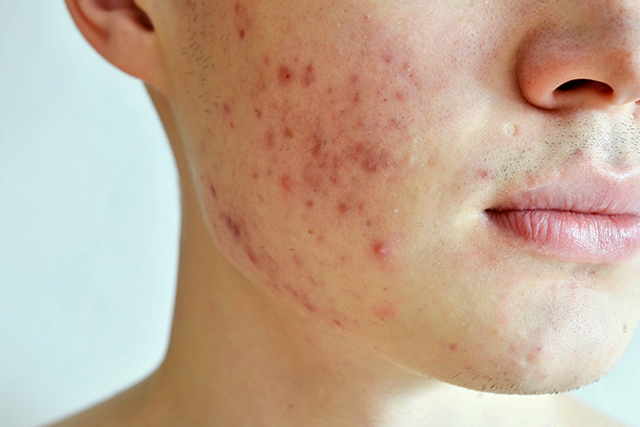
If you thought acne was something you left behind in high school, you’re not alone — and you’re not imagining things. Adult acne is one of the fastest-growing reasons patients visit Flower Mound Dermatology, and it affects women especially often, with studies suggesting up to half of women in their 20s and a quarter of women in their 40s experience breakouts. Adult acne also behaves differently than teenage acne: instead of scattered whiteheads across the forehead, it tends to show up as deep, tender bumps along the jawline, chin, and neck, often flaring in a monthly pattern. Understanding why it happens is the first step to finally clearing it.
The biggest driver of adult acne is hormonal fluctuation. Shifts related to menstrual cycles, pregnancy, stopping or starting birth control, and perimenopause can all increase oil production and trigger breakouts. Stress plays a major supporting role — cortisol, your body’s stress hormone, ramps up oil glands, which is why breakouts often follow demanding weeks at work or major life changes. Other common culprits include hair and skincare products that clog pores (look for “non-comedogenic” on labels), friction from masks or phone screens, and in some cases, underlying conditions like polycystic ovary syndrome. Even well-intentioned habits, like aggressive scrubbing or layering too many “anti-aging” actives, can damage the skin barrier and make acne worse.
Here’s the frustrating part: the drugstore products that worked at 16 often fail at 36. Adult skin is drier, more sensitive, and slower to heal, so harsh benzoyl peroxide washes and alcohol-heavy toners can leave you red and flaky while the breakouts continue. Adult acne also carries a higher risk of dark spots and scarring, particularly in medium and deeper skin tones, which means the “wait it out” approach can cost you months of post-breakout marks. That’s why treating adult acne effectively usually means treating the cause, not just the pimple.
The encouraging news is that adult acne is very treatable with the right plan. A board-certified dermatologist can tailor a regimen that may include prescription retinoids, hormonal therapies like spironolactone, topical or oral antibiotics, azelaic acid, or in-office treatments such as chemical peels — all matched to your skin type and lifestyle. Most patients see meaningful improvement within a few months of starting a personalized treatment plan. If you’re tired of guessing your way through the skincare aisle, schedule a consultation with Flower Mound Dermatology and get a clear, customized path to clearer skin.